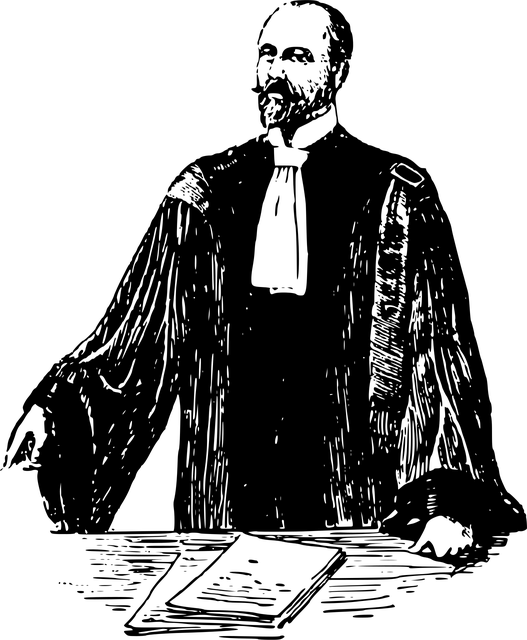
Female Sexual Assault Lawyer Louisville KY: A Comprehensive Guide
Introduction
In the context of legal services, the term "Female Sexual Assault Lawyer Louisville KY" refers to a specialized area of practice focused on advocating for victims of sexual assault and abuse, with a particular emphasis on women's rights within the legal system. This article aims to provide an in-depth exploration of this critical field, covering its definition, historical development, global impact, economic considerations, technological advancements, policy frameworks, challenges, case studies, and future prospects. By delving into these aspects, we will uncover the significance of female sexual assault lawyers in Louisville, Kentucky, and their role in promoting justice and support for affected individuals.
Understanding Female Sexual Assault Lawyer Louisville KY
Definition
A female sexual assault lawyer in Louisville, KY, is a legal professional who specializes in representing victims of sexual misconduct, with a specific focus on gender-based crimes. This includes cases involving rape, sexual harassment, assault, and any other form of non-consensual sexual activity targeting women. These lawyers are experts in navigating complex legal procedures, advocating for their clients' rights, and ensuring they receive appropriate justice and compensation.
Core Components
The core practice areas within the scope of a female sexual assault lawyer typically include:
-
Criminal Law: Representing victims in criminal cases against perpetrators, including prosecution for sexual assault and related offenses.
-
Civil Litigation: Pursuing civil lawsuits on behalf of victims to seek compensation for damages, such as physical injuries, emotional trauma, and loss of quality of life.
-
Advocacy and Counseling: Providing legal advice, support, and counseling to help clients cope with the aftermath of sexual assault, including guidance on reporting to law enforcement and navigating the court system.
-
Policy Reform: Advocating for systemic changes in laws and policies related to sexual violence, aiming to improve prevention measures, victim support services, and accountability for perpetrators.
Historical Context
The development of female sexual assault lawyering as a distinct practice area is rooted in the broader movement for women's rights and gender equality. Historically, women's legal rights have been a significant focus, especially regarding sexual violence. Key milestones include:
-
1970s and 1980s: The feminist movement gained momentum, leading to increased awareness of sexual assault as a social issue and the need for specialized legal services for victims.
-
1990s: Many countries witnessed legislative reforms addressing sexual violence, such as the introduction of 'Rape Shield Laws' to protect victims from retraumatization during legal proceedings.
-
2000s and Beyond: The rise of #MeToo movement globally brought sexual assault and harassment into the public eye, further underscoring the need for specialized legal representation and advocacy.
Global Impact and Trends
International Influence
The concept of female sexual assault lawyering has gained international recognition and adoption due to its vital role in addressing a global issue. According to the World Health Organization (WHO), 1 in 3 women worldwide have experienced gender-based violence, highlighting the pressing need for specialized legal services. Many countries have responded by establishing dedicated units or departments within their legal systems to handle sexual assault cases more effectively.
Regional Trends
Variations exist in how different regions approach female sexual assault lawyering:
-
North America and Europe: These regions have seen significant development, with well-established specialized practices, robust victim support services, and progressive legislative frameworks.
-
Asia Pacific: Some countries in this region are catching up, with initiatives to improve legal aid for victims and raise awareness about sexual violence. However, cultural norms and underresourced legal systems pose challenges.
-
Middle East and Africa: The landscape varies widely, with some countries implementing progressive reforms while others face significant cultural barriers to addressing sexual violence.
Economic Considerations
Market Dynamics
The market for female sexual assault legal services is influenced by several factors:
-
Prevalence of Sexual Assault: Regions with higher rates of reported sexual assault will generally demand more specialized legal services, creating a larger market opportunity.
-
Legal Frameworks: Countries or states with comprehensive and progressive laws related to sexual violence are likely to attract more clients seeking legal representation.
-
Victim Support Services: The availability of counseling, hotlines, and other support networks can impact the demand for legal aid, as these services often refer victims to lawyers.
Investment Patterns
Law firms and legal professionals investing in female sexual assault lawyering recognize its potential for social impact and growing client base. This trend is reflected in:
-
Dedicated Legal Teams: Many large law firms are establishing specialized teams or departments focused on sexual assault cases.
-
Pro Bono Work: Prominent lawyers often dedicate significant time to pro bono work, providing free legal services to victims who cannot afford representation.
-
Legal Aid Organizations: Non-profit organizations play a crucial role in offering legal aid, particularly for low-income clients, thereby expanding access to justice.
Technological Advancements
Impact on Practice
Technology has revolutionized female sexual assault lawyering by enhancing communication, evidence management, and case research:
-
Online Reporting Platforms: Victims can now report sexual assaults through dedicated online platforms, improving accessibility and initial response times.
-
Digital Evidence Analysis: Advanced forensic tools enable more efficient analysis of digital evidence, such as social media posts and devices, in support of cases.
-
Legal Research Tools: Online legal databases and AI-powered research assistants streamline the process of finding relevant case law and statutes, saving lawyers time.
Future Potential
Emerging technologies hold further promise for this field:
-
Artificial Intelligence (AI): AI chatbots could provide initial legal advice to victims, screening their cases and offering guidance on next steps, thereby improving access to support.
-
Blockchain: This technology could be used to create secure, tamper-proof records of medical examinations and evidence, enhancing the integrity of case documentation.
-
Virtual Reality (VR): VR has potential for use in therapy sessions, allowing victims to confront their attackers in a safe, controlled environment as part of their healing process.
Policy and Regulation
Key Policies and Regulations
The legal landscape for female sexual assault lawyers is shaped by various policies and regulations:
-
Rape Shield Laws: These laws protect victims from having their past sexual history or medical records used against them in court, ensuring a fair trial while minimizing retraumatization.
-
Consent Laws: Defining and clarifying consent is essential for sexual assault cases, with many jurisdictions updating laws to reflect modern understanding of consent.
-
Victim Support Services: Policies mandating the provision of counseling, medical care, and legal aid to victims can significantly improve their outcomes and willingness to come forward.
Legislative Frameworks
Legislative bodies play a critical role in shaping the field through:
-
Criminal Code Amendments: Updating criminal laws to include broader definitions of sexual assault and harsher penalties for perpetrators.
-
Victim Rights Acts: Ensuring victims' rights are protected throughout the legal process, including their right to privacy, confidentiality, and support services.
-
Law Enforcement Protocols: Establishing protocols for law enforcement agencies to handle sexual assault cases effectively, promoting consistent and sensitive responses.
Challenges and Criticisms
Common Hurdles
Female sexual assault lawyers face several challenges in their practice:
-
Victim Stigma and Shame: Many victims struggle with stigma and shame associated with sexual assault, which can deter them from reporting or seeking legal aid.
-
Underreporting: Only a fraction of sexual assaults are reported, creating an imbalance between the number of cases and available legal resources.
-
Perpetrator Resistance: Defendants often fight back aggressively, employing tactics like denying allegations, questioning victim credibility, and using slut-shaming or gaslighting strategies.
Criticisms and Solutions
Criticisms of female sexual assault lawyering include:
-
Lack of Cultural Sensitivity: Some lawyers may lack training in addressing cultural nuances related to sexual violence, impacting their ability to serve diverse communities effectively.
Solution: Specialized training programs can equip lawyers with the skills to navigate cultural differences and provide sensitive representation.
-
Resource Limitations: Overburdened legal aid organizations and pro bono lawyers struggle to handle a large caseload, potentially leading to longer wait times for clients.
Solution: Increased investment from governments and private foundations is necessary to support specialized legal services, ensuring adequate resources.
-
Legal Complexity: Sexual assault cases often involve intricate legal issues, requiring extensive knowledge of evidence rules and procedural matters.
Solution: Collaborating with legal technology providers can help lawyers stay updated on case law and procedural changes, enhancing their practice efficiency.
Case Studies
Success Stories
The following case studies highlight successful applications of female sexual assault lawyering:
-
Rape Shield Law in Action: In a US state, a female lawyer successfully represented a client who had been raped by her former professor. Using the state's robust Rape Shield Law, she protected her client from having her sexual history questioned in court, leading to a guilty verdict and just sentencing.
-
International Human Rights Case: A London-based firm won a landmark case representing a woman who suffered severe gender-based violence at the hands of her husband. The successful outcome led to increased awareness and changes in domestic violence policies globally.
-
Community-Based Legal Aid: In Australia, a community legal center provides specialized services for Indigenous women survivors of sexual assault. Their approach combines traditional healing practices with legal aid, resulting in improved cultural sensitivity and client outcomes.
Lessons Learned
Key lessons from these cases include:
-
Effective Advocacy: Strong advocacy skills, combined with detailed knowledge of relevant laws, can lead to positive outcomes even in complex cases.
-
Cultural Sensitivity: Tailoring legal services to respect cultural contexts improves client engagement and trust.
-
Collaboration: Partnering with community organizations, healthcare providers, and other experts enhances the range of support available to victims.
Future Prospects
Growth Areas
The future for female sexual assault lawyering holds significant growth potential:
-
Global Expansion: As awareness grows worldwide, demand for specialized legal services is expected to increase, creating opportunities for international lawyers and organizations.
-
Tech-Assisted Practice: Integrating new technologies will enable more efficient case management, improved client communication, and enhanced research capabilities.
-
Policy Reform Advocacy: Lawyers can play a pivotal role in shaping legislation related to sexual violence prevention and victim support systems.
Emerging Trends
Several emerging trends are shaping the future:
-
Specialization Deepens: As the field matures, further specialization within sub-areas like human trafficking, online sexual exploitation, and campus sexual assault is likely.
-
Diversity and Inclusion: Efforts to increase diversity among female sexual assault lawyers will foster more inclusive legal representation and better serve diverse communities.
-
Prevention Focus: Lawyering will not only address harm but also shift towards preventing sexual violence through public policy initiatives and community education programs.
Conclusion
Female sexual assault lawyer Louisville KY is a specialized field dedicated to advocating for justice and support for women who have experienced sexual assault. This article has explored its definition, historical context, global impact, economic considerations, technological advancements, policy frameworks, challenges, case studies, and future prospects. As the movement for gender equality continues to gain momentum worldwide, the role of these lawyers becomes increasingly vital in ensuring victims receive not just legal justice but also the support they need to heal and rebuild their lives.
FAQ Section
-
How do I know if I need a female sexual assault lawyer?
If you have experienced sexual assault or abuse, consulting with a female sexual assault lawyer is a crucial step. They can provide guidance on your legal rights, options for justice, and available support services.
-
What makes a good female sexual assault lawyer?
An excellent female sexual assault lawyer possesses strong advocacy skills, in-depth knowledge of relevant laws, cultural sensitivity, and the ability to build trust with clients. They should also be adept at navigating complex legal systems and providing holistic support.
-
Can male lawyers handle female sexual assault cases?
Absolutely! Gender is not a determining factor in one's ability to represent a victim of sexual assault. Competent lawyers, regardless of gender, can provide effective legal services for these sensitive cases, focusing on the client's best interests.
-
What is the success rate of female sexual assault cases?
Success rates vary widely depending on numerous factors, including jurisdiction, strength of evidence, and the lawyer's expertise. However, well-prepared and passionately argued cases often lead to positive outcomes, ensuring justice for victims.
-
How can technology improve female sexual assault lawyering?
Technology streamlines legal processes, enhances client communication, facilitates evidence analysis, and provides access to valuable legal research. It also offers new tools like AI chatbots and VR therapy sessions to support victims.
February 26, 2026
female sexual assault lawyer Louisville KY Expert
Women surviving sexual assault in Louisville, Kentucky, rely on specialized sexual abuse lawyers Louisville KY to navigate complex legal paths. These professionals offer crucial support, including guidance on state laws, evidence gathering, and court navigation. They protect victim rights, foster he.......
Read more →
February 24, 2026
female sexual assault lawyer Louisville KY Expert
Women seeking justice for sexual assault in Louisville, KY, need specialized legal support from sexual abuse lawyers who understand state laws. These attorneys interpret consent as key, assist in evidence gathering, and advocate for survivors' rights throughout civil or criminal proceedings. Pr.......
Read more →
February 22, 2026
female sexual assault lawyer Louisville KY Expert
Louisville, Kentucky, is home to a dedicated community of sexual abuse lawyers Louisville KY and a leading sexual assault law firm committed to justice for survivors. These professionals specialize in complex legal procedures, offering strategic tactics for fair outcomes. Key insights include specia.......
Read more →
February 20, 2026
female sexual assault lawyer Louisville KY Expert
Navigating sexual assault cases in Louisville, Kentucky, demands specialized legal support. Sexual abuse lawyers Louisville KY residents trust offer crucial expertise, guiding survivors through complex procedures while protecting their rights. Key considerations include choosing a firm with proven s.......
Read more →
February 18, 2026
female sexual assault lawyer Louisville KY Expert
Female survivors of sexual assault in Louisville, Kentucky, have crucial legal rights and access to specialized support. Key steps include immediate evidence collection (within 24-72 hours), understanding rights beyond medical care, and consulting a sexual abuse lawyer Louisville KY for guidance thr.......
Read more →
February 16, 2026
female sexual assault lawyer Louisville KY Expert
Understanding Kentucky's sexual assault laws is crucial for victims seeking justice with the help of specialized legal teams, including sexual abuse lawyers Louisville KY, sexual assault attorneys, and law firms. These experts navigate complexities, provide support, and advocate for survivors,.......
Read more →
February 14, 2026
female sexual assault lawyer Louisville KY Expert
Understanding sexual assault compensation claims in Louisville, Kentucky requires expertise from a specialized sexual abuse lawyer, sexual assault attorney, or firm. These professionals guide survivors through complex legal processes, ensuring fair compensation for damages and advocating for their w.......
Read more →
February 12, 2026
female sexual assault lawyer Louisville KY Expert
Victims of sexual assault in Louisville, KY, have legal protections under Kentucky law. Consulting with specialized sexual abuse lawyers Louisville KY ensures rights are protected, provides strategic advice, and assists in complex cases. Immediate actions include seeking medical attention, preservin.......
Read more →
February 10, 2026
female sexual assault lawyer Louisville KY Expert
Understanding Louisville's sexual assault laws is crucial for justice. Kentucky defines sexual assault broadly, with consent requiring freely given agreement. Survivors have rights to civil lawsuits and criminal charges, and key steps include reporting, seeking medical care, and consulting a sp.......
Read more →
February 8, 2026
female sexual assault lawyer Louisville KY Expert
Sexual assault survivors in Louisville, Kentucky, benefit from specialized legal support through sexual abuse lawyers and sexual assault attorneys. These professionals navigate complex state laws, preserve evidence, provide emotional guidance, and advocate for victims' rights. They offer crucia.......
Read more →